October 15, 2026
Maintaining a beautiful and safe landscape requires constant attention and care. Sometimes, despite your best efforts, a diseased or dying plant becomes a hazard to your home and family. When branches loom over your roof or roots threaten your foundation, taking action becomes an absolute necessity rather than a mere preference. Addressing these hazards promptly prevents property damage and ensures the safety of everyone walking through your yard. Taking down massive plants is dangerous and highly technical work requiring specialized equipment and extensive training. Every situation presents unique challenges ranging from precarious angles to hidden structural weaknesses within the trunk. A professional tree removal service brings the expertise needed to navigate these obstacles efficiently and without incident. Understanding what to expect during this process helps you prepare your property and make informed decisions about your landscaping needs.
Assessing the Situation
Determining whether a specimen needs to come down involves careful observation and professional judgment. Homeowners should regularly inspect their foliage for signs of decay such as crumbling wood or an unusual abundance of dead branches. Fungal growth near the base often indicates structural compromise deep within the root system, which severely weakens stability. Leaning trunks also serve as a major warning sign, especially if the tilt developed recently after a severe storm or heavy rainfall. When these symptoms appear, consulting an arborist becomes crucial to prevent sudden collapse. These experts evaluate the overall health and structural integrity to determine if salvage efforts might succeed. If mitigation fails or the risk remains too high, scheduling a tree removal service becomes the only responsible choice.
Ignoring warning signs leads to disastrous consequences during extreme weather events. High winds easily snap hollowed trunks, sending massive debris crashing into roofs and vehicles parked nearby. The liability associated with falling branches extending into neighboring properties adds another layer of urgency to the decision. Property owners must act proactively rather than waiting for an emergency to force their hand. Early intervention minimizes risk and often makes the extraction process smoother since the structure remains somewhat intact. Planning allows homeowners to clear the surrounding area carefully and coordinate with neighbors regarding noise and equipment access. Preparing the site adequately ensures that the team can work without unnecessary delays or safety hazards.
Understanding the Process
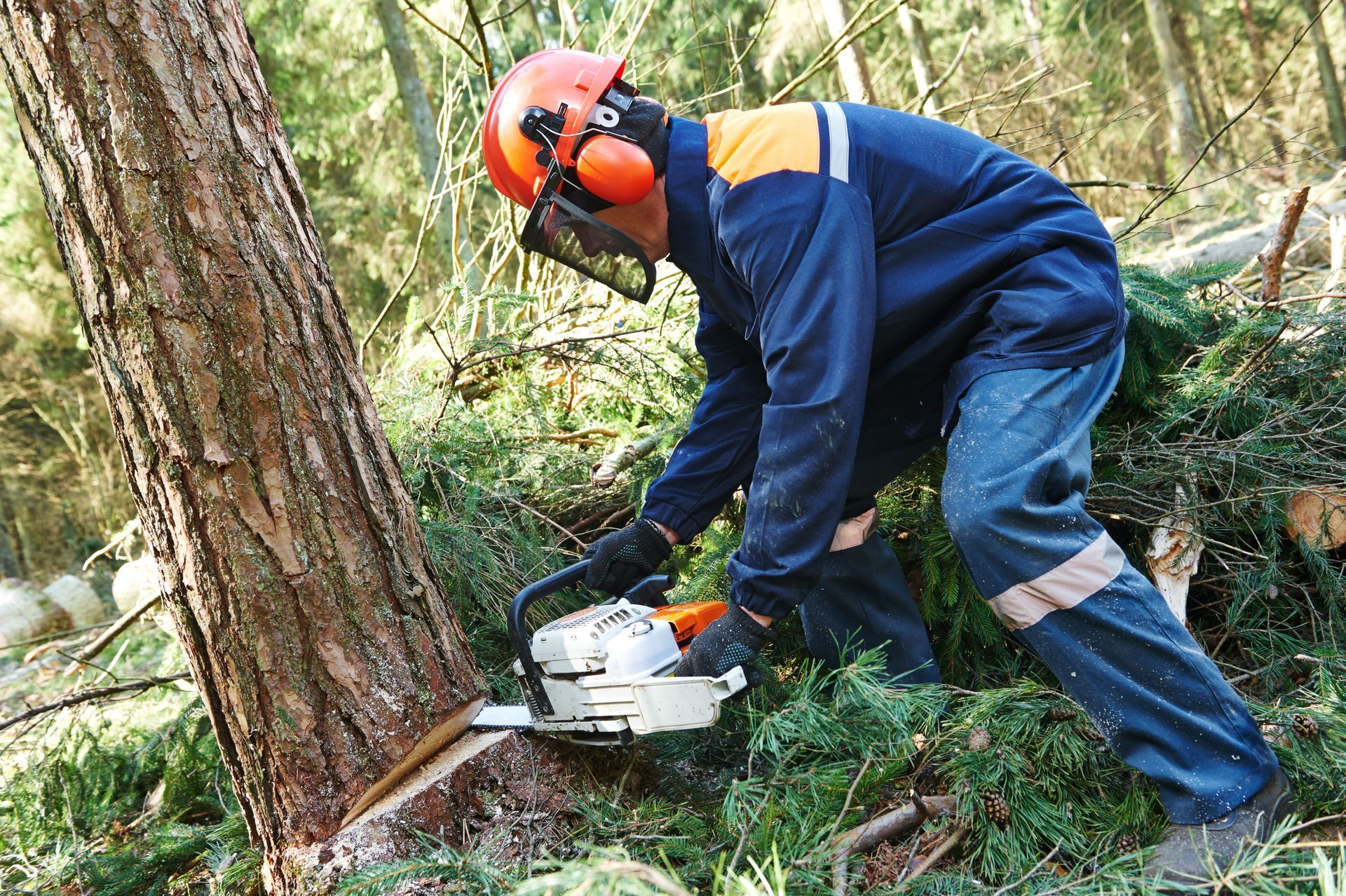
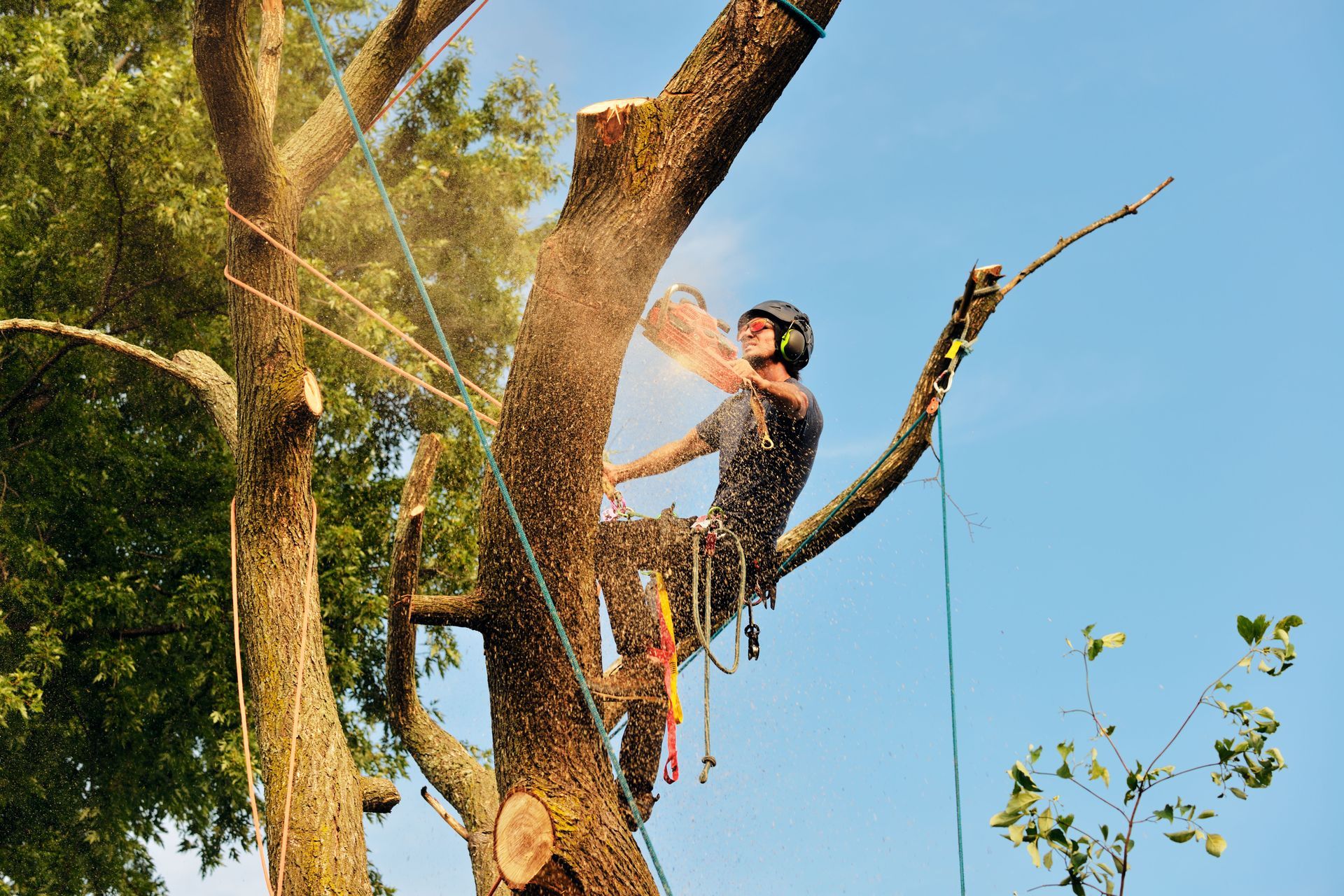
The actual extraction phase involves systematic dismantling rather than simply chopping at the base and shouting timber. Crews arrive with specialized gear including harnesses and chainsaws to tackle the job methodically from the top down. Climbers scale the trunk to remove upper canopy branches piece by piece, lowering them securely with ropes to avoid damaging the lawn below. This controlled descent prevents heavy limbs from bouncing unpredictably upon impact with the ground. Every cut requires precise calculation to manipulate the falling direction perfectly. The workers communicate constantly to coordinate dropping sequences and maintain absolute safety throughout the entire operation. Hiring a competent tree removal service ensures that this dangerous choreography happens flawlessly.
Homeowners often wonder about the duration required to complete such an intensive task. The timeline fluctuates wildly based on environmental factors and the sheer scale of the vegetation involved. According to This Old House, depending on the size and type of tree, tree removal can take as little as 15 minutes or as long as a few hours. Intricate jobs involving massive canopies extending over power lines demand extreme caution and naturally extend the timeframe significantly. Conversely, removing a small dead sapling from an open field wraps up incredibly quickly. Regardless of the duration, professionals maintain a steady and deliberate pace to prevent accidents and protect the surrounding landscape from collateral damage.
Protecting the Property
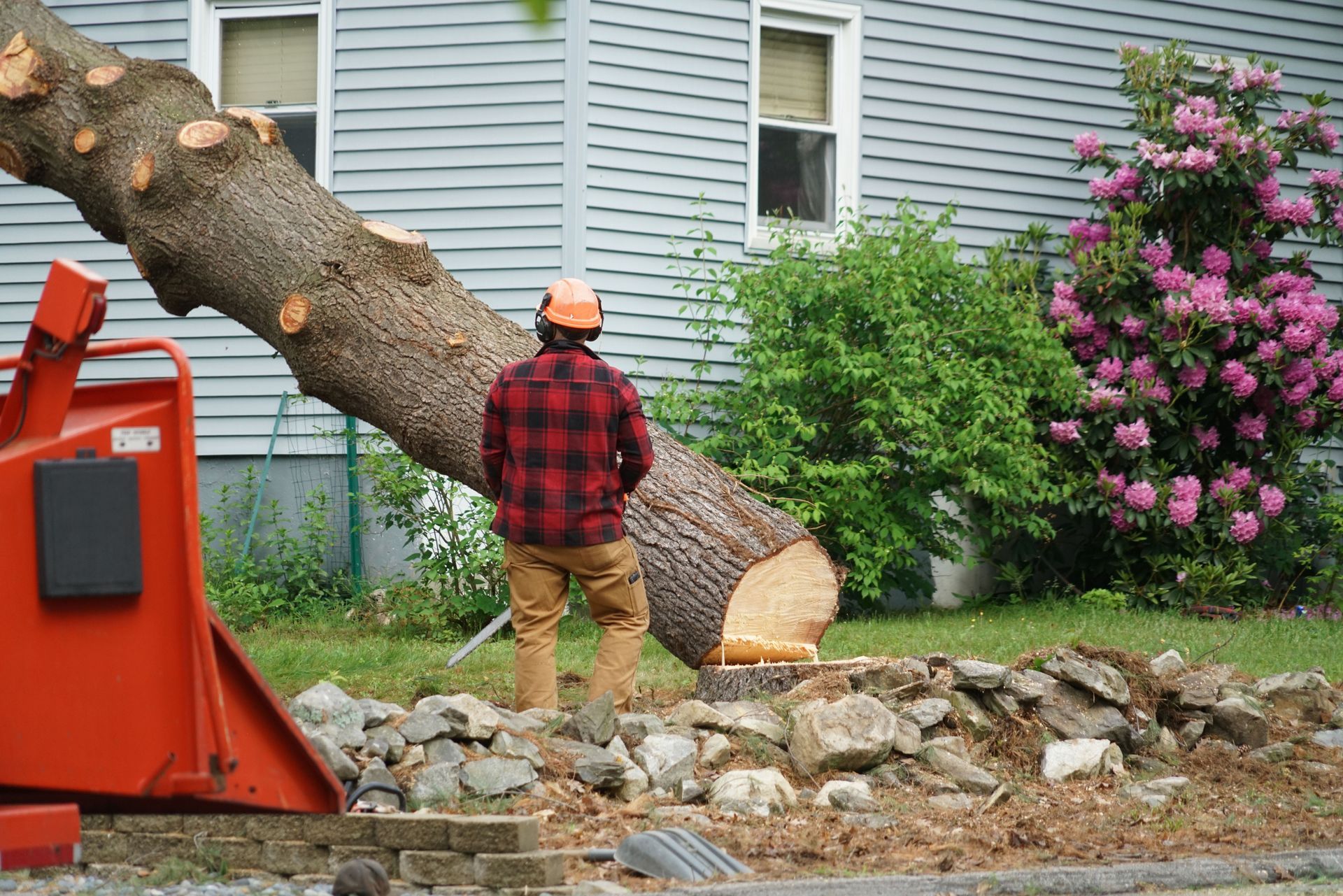
Safeguarding the surrounding environment remains a top priority throughout the entire operation. Heavy machinery like wood chippers and aerial lifts exert significant pressure on driveways and delicate turf. Crews mitigate this impact by laying down protective mats and planning precise navigation routes across the yard. Taking these precautions prevents deep ruts and cracked concrete that would otherwise cost homeowners dearly in subsequent repair bills. Additionally, the workers install temporary fencing or barricades to keep curious pets and wandering children away from the drop zone. Establishing a secure perimeter guarantees that only authorized personnel enter the hazardous workspace. A reliable tree removal service takes these site management protocols very seriously.
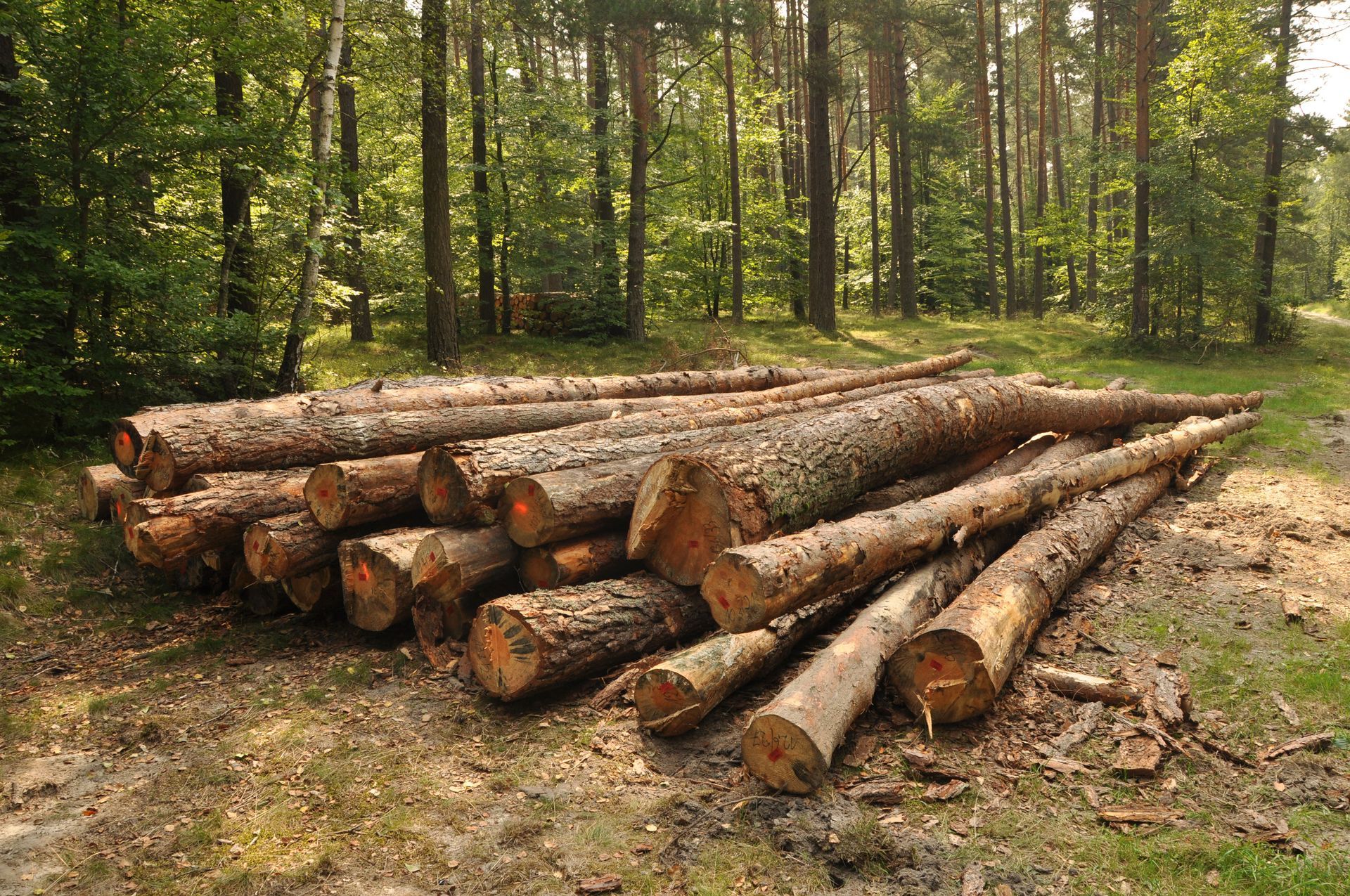
Beyond structural protection, managing the resulting debris poses a significant logistical challenge. The volume of wood and foliage generated by a massive specimen easily fills several large transport trucks. Crews typically feed smaller branches directly into a wood chipper, reducing them to manageable mulch on site. Larger trunk segments require heavy equipment to load onto flatbeds for transportation to processing facilities. Clients often request to keep the mulch or firewood for personal use, which the crew can accommodate by cutting logs to requested lengths. Alternatively, they haul everything away, leaving the yard completely clear and ready for the next phase of landscape restoration.
Evaluating the Professionals
Selecting the right team requires thorough vetting and careful consideration of their credentials. Legitimate operations carry comprehensive liability insurance and workers' compensation policies to protect clients from financial ruin in case of accidents. Property owners must verify these documents directly with the insurance provider to ensure the coverage remains active and adequate. Proper certification from recognized arboricultural associations demonstrates a commitment to industry standards and ongoing education. Inquiring about their safety record and training protocols reveals how seriously they approach occupational hazards. Entrusting your property to an uninsured or underqualified crew invites unnecessary risk and potential legal nightmares. Partnering with a reputable tree removal service brings peace of mind and guarantees superior results.
Communication serves as another critical metric when assessing potential contractors for the job. Professionals should provide detailed written estimates outlining the scope of work and cleanup responsibilities, and specific equipment they plan to utilize. Vague verbal agreements often lead to disputes over hidden fees or incomplete cleanup once the main structure comes down. Reviewing past client testimonials provides valuable insight into their punctuality and overall respect for client property. A trustworthy company gladly answers all questions regarding their methodology and addresses any lingering concerns about property impact. Transparency during the consultation phase usually indicates a high level of integrity that extends throughout the execution of the project.
Maintaining the Landscape
Once the foliage departs, the remaining stump presents an immediate aesthetic and practical dilemma. Many property owners opt for specialized grinding machinery to pulverize the remnant below the soil surface. Eliminating the stump prevents aggressive root systems from sprouting new unwanted shoots across the lawn. It also removes a notorious breeding ground for destructive pests like termites and carpenter ants, which could eventually migrate toward the main residence. Furthermore, a hidden stump creates a severe tripping hazard and complicates routine mowing tasks significantly. Incorporating stump grinding into your chosen tree removal service package ensures a truly blank canvas for future planting endeavors.
Rehabilitating the cleared area allows homeowners to reimagine their outdoor living space. The sudden influx of sunlight alters the microclimate, making it possible to cultivate different plant species. Spreading fresh topsoil over the excavated spot and planting grass seed helps seamlessly blend the area back into the lawn. Alternatively, creating a flower bed or installing a decorative patio takes advantage of the newly acquired square footage. Consulting with landscape designers can spark creative ideas for utilizing the open space effectively. Transforming the barren patch into a beautiful garden feature brings closure to the disruptive extraction process and enhances overall property value.
Maintaining a healthy yard means recognizing when a diseased or dangerous plant must go. Dealing with hazardous foliage requires expertise and extreme caution to avoid devastating accidents or costly property damage. Handling these situations correctly preserves the beauty and safety of your outdoor sanctuary. The intricate logistics and physical demands of this work make it entirely unsuited for casual weekend warriors wielding chainsaws. Protecting your home relies on making smart choices about who you hire to manage these residential risks. We would love to chat with you about your yard and help you achieve the perfect landscape so please reach out and contact Achin' Back Tree LLC.